Is Your Art "Good Enough or Ready" to License? Here's What Brands Actually Look For...
Is your art "good enough" to license?
Licensing presents real opportunities but it's a long game, and only one part of building a sustainable creative business. Hold that truth as you read.
Let's unpack a question I hear often, one that I think becomes too much of our focus as new artists: "Is my art good enough to license?"
Putting your work out into the world is vulnerable. Licensing makes it more so — because you're not just asking "is this pretty?" You're asking: Is this valuable? Would someone choose this? Am I actually ready?
The answer might not be what you expect.
The shift that changes everything
Most artists try to decide if their work is "good enough" in isolation. But licensing doesn't work that way.
Brands aren't asking "Is this the best art?" They're asking "Does this solve a need for our product line?"
That distinction changes everything. Your art doesn't need to be perfect, it needs to solve a problem.
What "good enough" actually looks like
Here's a more useful checklist than "do I feel ready":
-
01Is it clear and intentional?
Your style feels consistent. Your motifs belong together. Nothing feels random or unfinished.
-
02Can it live on a product — and which ones?
You can picture it on fabric, wallpaper, stationery, home goods. It translates beyond just a pattern tile.
-
03Does it feel like part of a collection?
This is where most artists stop too soon. Brands aren't typically looking for a single pattern — they're looking for a starting point for a product line.
1 hero pattern2–4 coordinates2–4 blenders1 spot illustration -
04Is it aligned with a specific customer?
Not "would anyone like this" — but "who is this for?" When you can answer that, your work becomes exponentially easier to place.
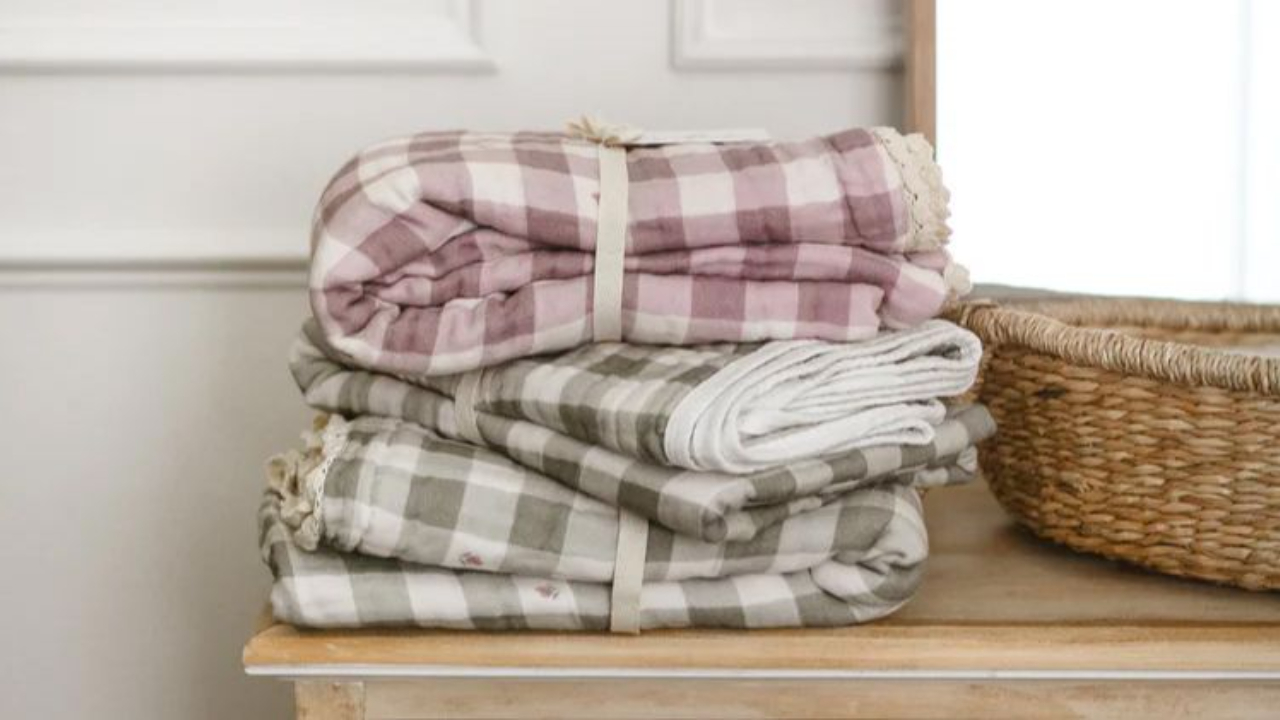
In practiceI took a classic gingham, familiar, timeless, instantly recognizable and added a watercolor floral to give it something fresh and unexpected. That combination was designed specifically with Ellie and Layne's customer in mind: someone drawn to a vintage aesthetic but with a modern sensibility. The design didn't need to appeal to everyone. It needed to speak to her.
That's the difference between making pretty art and making placeable art.
Quick licensing basics
You give a brand permission to use your artwork on their products — while you keep ownership.
A flat fee (one-time), a royalty (percentage of sales), or sometimes a mix of both.
Non-exclusive: You can license the same design to multiple companies simultaneously.
Exclusive: One brand holds rights for a set time period, usually at a higher rate.ds want: artwork that's cohesive, product-ready, and easy to apply across their categories. Not just beautiful, usable.
Confidence comes after you start, not before. I've seen artists license work they almost didn't share. And I've seen beautiful work sit unseen because the artist kept waiting for the right moment.
Perfection delays opportunity. Clarity creates it.
Your assignment this week
- Choose one collection
- Refine it, finish it, mock it up on products
- Share it on Instagram, Pinterest, or in the community
Not because it's perfect. Because it's ready enough to open a door.
Your art doesn't become "good enough" all at once. It becomes ready one collection at a time, one share at a time, one opportunity at a time.
The artists who move forward aren't the most confident ones they're the ones who decide to go anyway.
I'm cheering you on, always. 🤎

p.s. Want weekly encouragement, creative tips and resources like a custom monthly mockups? Join Studio Notes Here🤎
Ready to stop waiting and start building?
Join the Creative Mentorship and get the guidance, community, and strategy you need to turn your artwork into real opportunities. Learn + Join Here
Let's stay connected!
join Studio Notes for latest news, inspiration and resources